Jan . 03, 2026 09:50 Back to list
Pulling Barbed Wire: Tips, Tools & Trusted Suppliers for Durable Fencing
Pulling Barbed Wire: Practical Tips and Insights from the Field
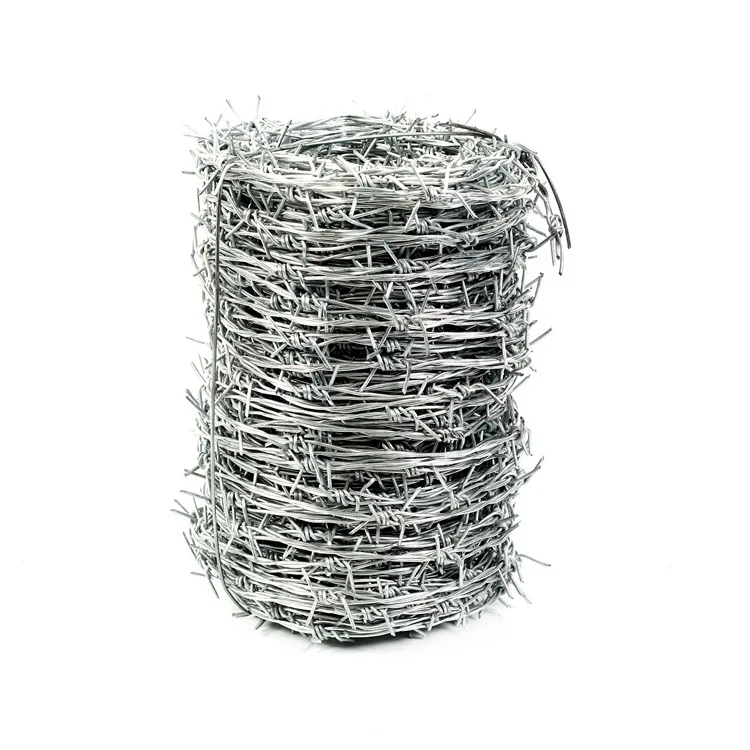
Working with barbed wire is something of an art — or maybe more like a muscle memory thing. I’ve spent years handling various kinds, and let me tell you, pulling barbed wire is not as straightforward as it sounds. It’s one of those tasks where a little patience, the right tools, and some know-how can save you hours and a handful of scrapes.
Oddly enough, the industry hasn’t revolutionized the basic process too much — barbed wire remains a simple, austere product designed to be tough and effective. But that toughness is exactly what makes pulling it tricky. It resists and catches on everything from tool surfaces to your gloves. A good pulling technique helps avoid kinks and keeps the wire’s tension just right — which in real terms means a more secure fence and fewer headaches down the road.
In terms of materials, most barbed wire you’ll encounter uses galvanized steel or sometimes a heavier gauge stainless steel if corrosion resistance is critical. While stainless can cost a pretty penny, it’s worth it in harsh environments or coastal areas. The galvanization process, on the other hand, offers a balanced price-to-durability ratio and is fairly standard in rural fencing across many farming regions.
Now, I suppose many engineers and field operators would say that tool choice is half the battle. A dedicated wire puller with a solid, ergonomic handle makes life easier — less strain on your hands and better control when you’re stretching wire across posts. The tools often feature a ratchet or a clamp as part of their design so you can apply consistent tension without constantly adjusting your grip.
Speaking of tools, here’s a quick snapshot of a typical pulling barbed wire tool’s specs that I’ve found useful in practice:
| Feature | Specification |
|---|---|
| Material | Heat-treated steel with rubber grip |
| Length | 18 inches (45 cm) |
| Max Tension Force | Up to 200 lbs (90 kg) |
| Weight | 1.5 lbs (680 g) |
| Special Features | Ratchet mechanism, anti-slip handle |
When it comes to choosing a vendor, reliability, availability, and customer service really make a difference. I once had an urgent project that got delayed because the supplier didn’t have the right gauge wire in stock. Since then, I’m a stickler for suppliers that keep good inventory and don’t over-promise delivery times.
| Vendor | Product Range | Lead Time | Customer Support | Price |
|---|---|---|---|---|
| Yiszhe Wire Mesh | Wide (galvanized & stainless) | 2 weeks | Responsive & knowledgeable | Competitive |
| Supplier B | Medium range | 3-4 weeks | Limited support hours | Mid-tier |
| Supplier C | Narrow range (mostly galvanized) | 1 week | Good phone support | Higher pricing |
A quick story: a small farm near where I worked once replaced their entire perimeter fence with high-tensile barbed wire ordered through Yiszhe Wire Mesh. The ease of pulling the wire and the quality of the materials meant the job wrapped up in days, not weeks. The farmer was impressed, especially given how often they deal with rust issues and poor-quality wire. So yeah, in my experience, combining quality wire with good pulling tools and reliable suppliers just makes sense.
Overall, I would say that pulling barbed wire, while a straightforward industrial task, really benefits from respect for the materials and preparation. The right gear and understanding some nuances can improve safety, workflow, and ultimately the durability of the fence.
Remember: good preparations today save patch jobs tomorrow.
References:
- “Barbed Wire: A History and Practical Guide,” FenceTech Manual, 2018
- Galvanization and Wire Durability Testing Reports, Industry Wire Association, 2020
- Interview notes with fencing contractors and agricultural suppliers, 2019-2023
-
Hydraulic Hose Ferrule Fittings - Hebei Yisizhe Manufacture (Group) Limited
NewsFeb.27,2026
-
Comprehensive Guide to Flat Wrap Razor Wire Security and Applications
NewsFeb.24,2026
-
Secure Your Property with High Quality Concertina Razor Wire for Sale
NewsFeb.11,2026
-
Comprehensive Guide to Jail Barbed Wire Security and Applications
NewsJan.30,2026
-
Effective Barbed Wire for Goats A Comprehensive Guide to Safe Containment
NewsJan.27,2026
-
Barbed Wire Garden: Industrial Fencing Solutions
NewsJan.25,2026