Jan . 05, 2026 09:55 Back to list
How to Roll Up Barbed Wire by Hand - Tips from Industry Experts
How to Roll Up Barbed Wire by Hand: Insights from the Field
Having spent quite a few years on industrial sites—from dusty ranches to large-scale fencing projects—I've picked up a thing or two about handling barbed wire. Frankly, nothing beats the practicality of rolling up barbed wire by hand when you aren’t working with fancy machinery. It’s oddly satisfying, although definitely requires patience and the right technique to avoid nicks and all-around frustration.
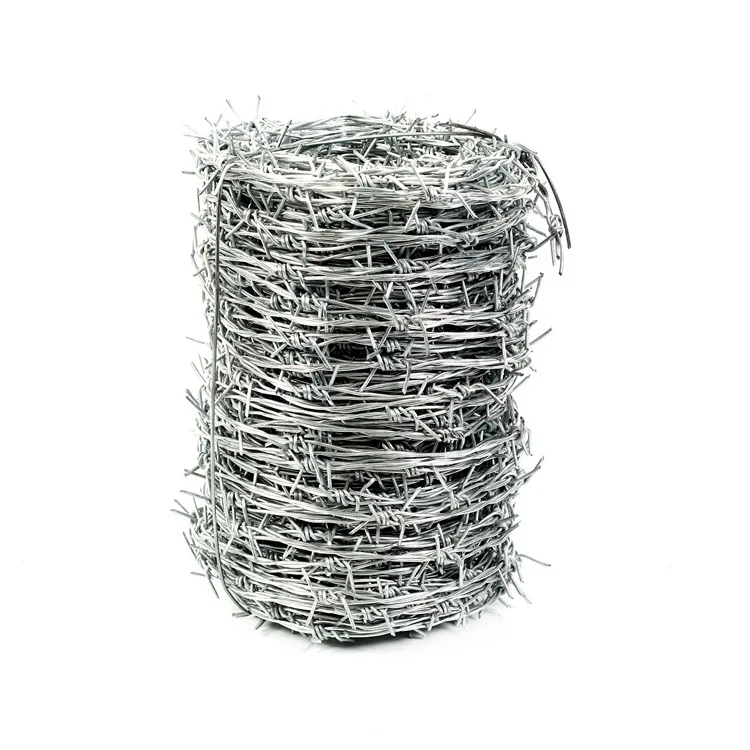
Barbed wire is deceptively simple: twisted steel strands armed with sharp barbs every few inches. But when you get into the nitty-gritty of rolling it into neat coils by hand, it feels like an art form combined with physical work. Many folks underestimate the importance of quality wire and its material composition here—something I only realized once I started working with different vendors and product types.
Just to set things straight, the best barbed wire for hand rolling tends to be made from galvanized steel. The galvanization helps with rust resistance, but also affects how pliable the wire is. Too stiff and it’s a bear to coil; too soft and it won’t hold its shape well. I’d say medium gauge wire—typically this means around 12 to 14 gauge—is the sweet spot that most engineers and ranch hands talk about when rolling by hand.
| Specification | Details |
|---|---|
| Material | Galvanized Steel (often High Carbon) |
| Gauge | 12 - 14 (typical) |
| Barb Spacing | 4 to 6 inches |
| Coil Weight | Typically 30 - 50 lbs |
| Length per Coil | 330 to 1320 feet |
If you’re wondering about safety, yes, I’ve got a few scars from early attempts rolling this wire manually. Wearing heavy-duty leather gloves is non-negotiable—not just any gloves but ones designed for rugged wire handling. I almost forgot to mention eye protection; a stray barb can and will cause issues if you’re careless. Once you get the hang of it, though, the process becomes almost rhythmic. I usually start by loosening the coil at the outer edge, then slowly roll inward with firm but controlled pressure, ensuring the barbs lock into place nicely as you compress the bundle.
One interesting thing I've noticed is how different manufacturers’ wire behaves. A few years back, on a large fencing installation, we compared products from three main suppliers. The differences ranged from ease of rolling to how tightly the coils stayed together and even how long they lasted after installation.
| Vendor | Coil Flexibility | Corrosion Resistance | Price Range |
|---|---|---|---|
| Supplier A | Medium (Easy to roll) | Good (Hot-Dip Galvanized) | $$ |
| Supplier B | Stiff (Hard to handle) | Excellent (Zinc Coated) | $$$ |
| Supplier C | Soft (Coils loosely) | Fair (Electro-Galvanized) | $ |
I suppose many industrial workers will appreciate that these subtle variations have real impact on the job site. It’s not just a matter of wire strength—flexibility and finish can save you time and effort, especially when you have to roll multiple coils by hand for fencing or transportation. Oddly enough, barbed wire with the right balance in these factors can almost feel “user friendly,” though the words don’t usually come up when discussing anything barbed or sharp!
To close on a practical note: if you find yourself rolling lots of barbed wire by hand—and I know some did when I first started—remember to take breaks, stretch your hands and forearms, and always inspect your coil for sharp ends poking out before lifting. One of my coworkers once told me it’s a bit like a dance: patience, rhythm, and respect for the material will help you avoid injury and fatigue.
Before signing off, here's a small story. At a ranch in Texas, a man came by interested in durable fencing that he could maintain himself. After demonstrating how to handle the wire safely and roll it by hand, he was convinced that choosing a medium gauge, galvanized wire saved him hours and several painful pricks compared to a previous supplier’s product. That stuck with me—it’s these real-world experiences that remind me how critical product quality and technique can be.
Bottom line? Rolling barbed wire by hand may seem old school, but with the right wire and safety practices, it’s a manageable and even satisfying task.
References:
1. Industry manuals on fencing materials and wire handling, 2021.
2. Conversations with field engineers and ranchers, personal notes, 2015-2023.
3. Supplier technical datasheets and quality reports, various vendors.
-
Hydraulic Hose Ferrule Fittings - Hebei Yisizhe Manufacture (Group) Limited
NewsFeb.27,2026
-
Comprehensive Guide to Flat Wrap Razor Wire Security and Applications
NewsFeb.24,2026
-
Secure Your Property with High Quality Concertina Razor Wire for Sale
NewsFeb.11,2026
-
Comprehensive Guide to Jail Barbed Wire Security and Applications
NewsJan.30,2026
-
Effective Barbed Wire for Goats A Comprehensive Guide to Safe Containment
NewsJan.27,2026
-
Barbed Wire Garden: Industrial Fencing Solutions
NewsJan.25,2026